
Natural living / Everyday mobility
From Wooden life to Low-Carbon Miles
A thoughtful home begins with materials that feel good to live with and objects useful enough to keep. Solid wood tables, practical shelving, repairable furniture, bicycles, and electric bikes may serve different purposes, but they share a sensible principle: buy for real life, care for what you own, and reduce waste through repeated use.
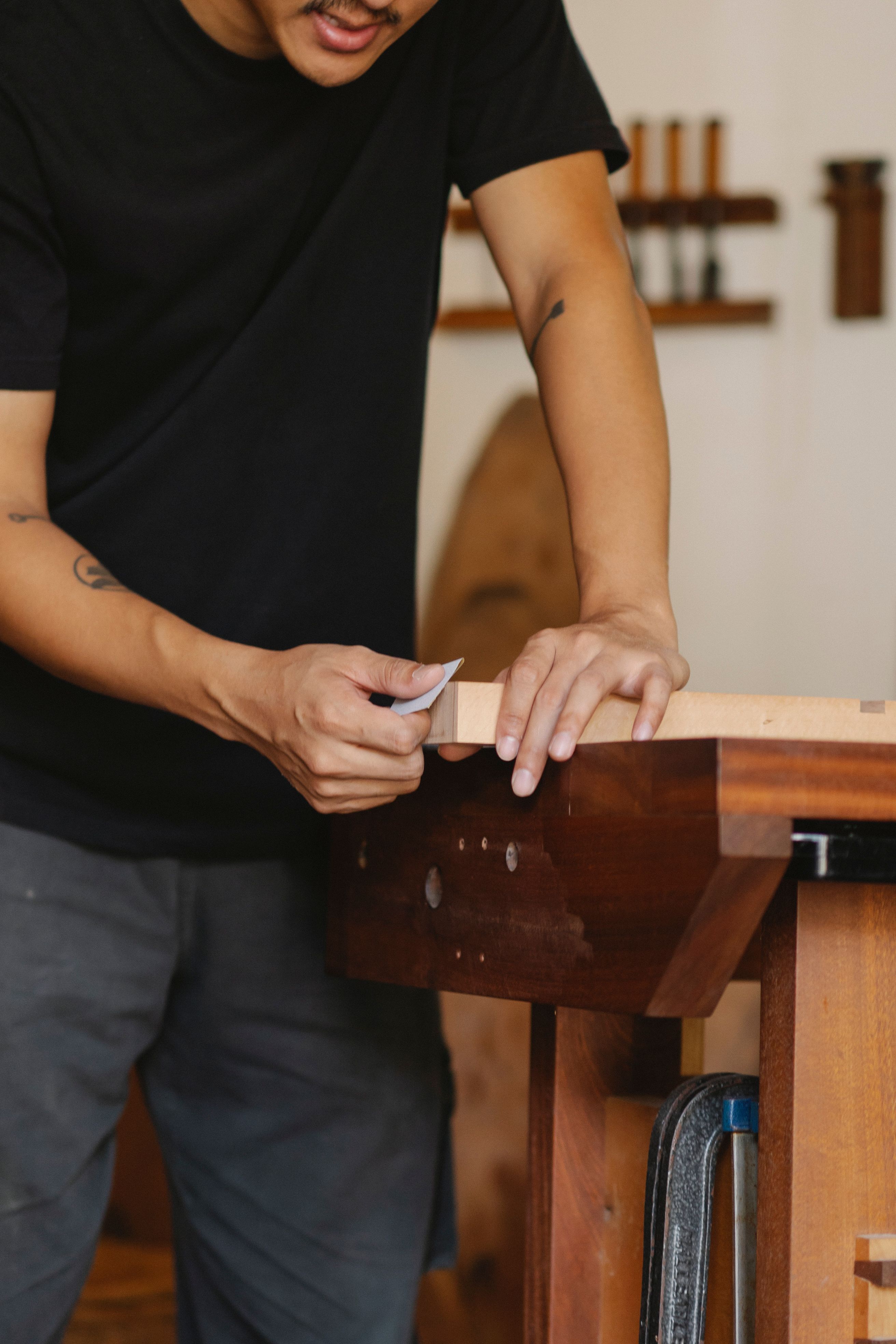
Wood Makes a Home Feel Lived In
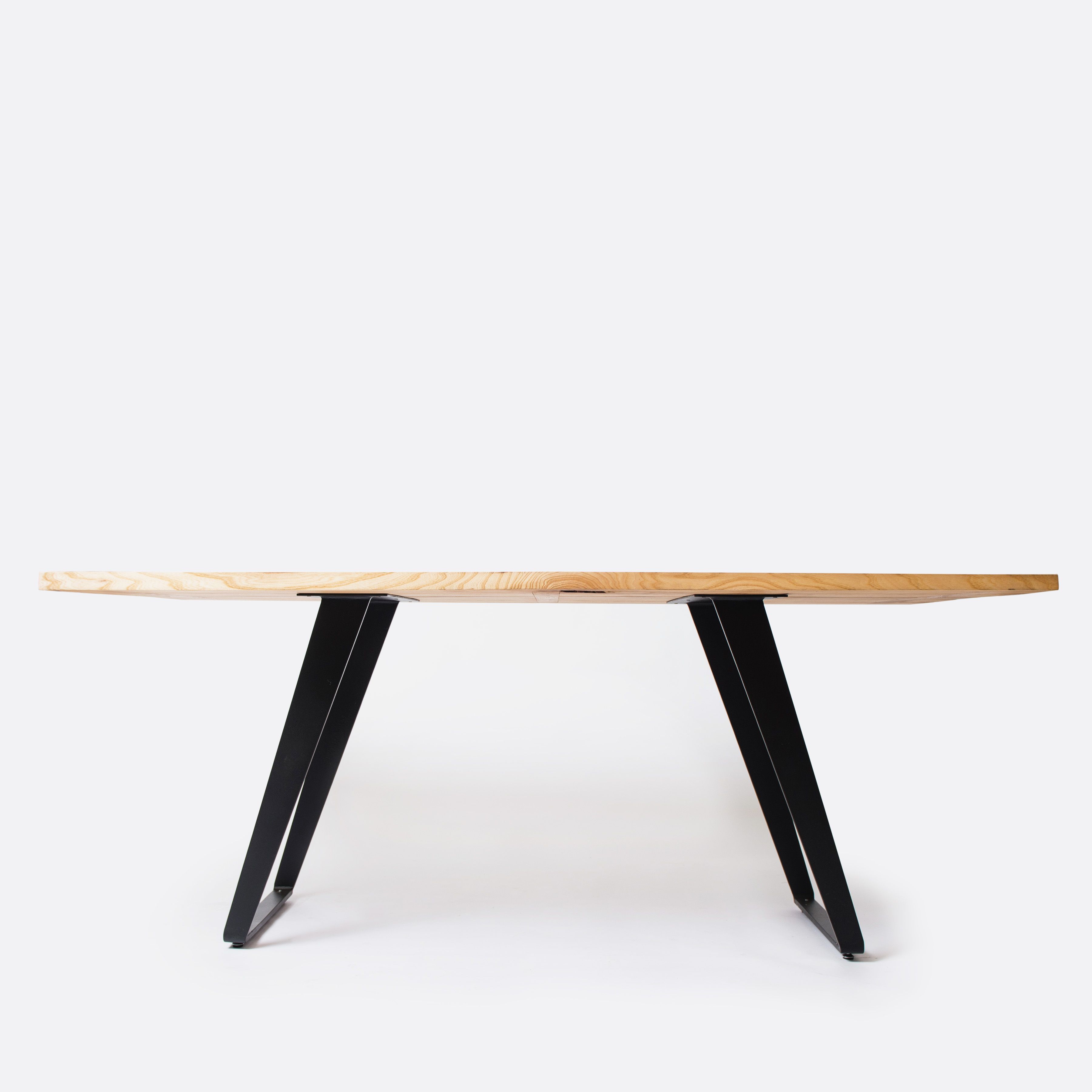
Wood furniture carries evidence of where it came from. Grain changes direction, knots interrupt otherwise straight lines, and color deepens with age and light. Those variations are not defects to hide. They are part of the reason a wooden table, chair, cabinet, or bench can feel warmer and more personal than an object designed to look identical forever.
The most responsible choice is not automatically the heaviest or most expensive piece of furniture. A solid hardwood dining table can make sense when it will be used for decades. Plywood can be an efficient, stable choice for cabinets, drawers, and modern furniture. Veneer can use a smaller quantity of attractive timber across a larger surface. Reclaimed wood may keep existing material in circulation, although it still needs sound construction and an appropriate finish.
Look beyond the material name. Check how the joints are made, whether hardware can be tightened or replaced, how the finish can be renewed, and whether the piece suits the room where it will actually be used. Responsible sourcing matters, but lifespan matters too. Furniture that survives moves, repairs, changing rooms, and changing tastes avoids becoming another short-lived purchase.
Care Is Part of the Design
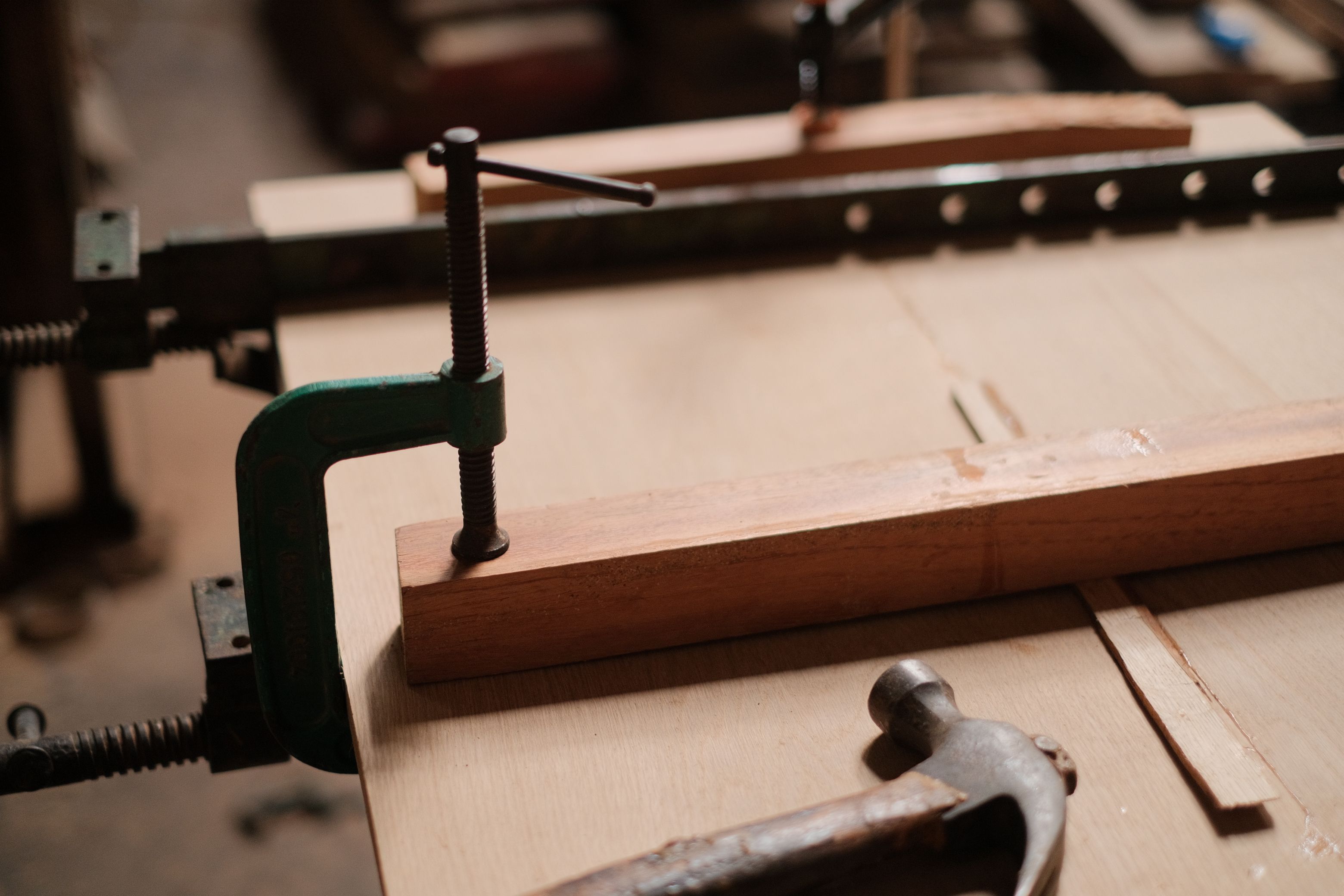
Wood lasts best when everyday care is uncomplicated. Wipe spills promptly, use trivets under hot cookware, and avoid leaving solid wood beside a strong heat source or in standing moisture. Dust with a soft cloth and use a cleaner suitable for the actual finish rather than assuming every wooden surface needs oil. Painted, lacquered, waxed, and oil-finished furniture all require different treatment.
Small repairs are often worth doing early. Tightening a loose fastener, replacing worn felt pads, touching up a protected finish, or asking a furniture repairer to stabilize a joint can extend a piece’s useful life. That habit of caring for useful objects also leads to a broader question: where else can everyday routines become less wasteful and more practical?
Low-Carbon Living Continues Beyond the Front Door
Choosing durable furniture is one part of a thoughtful home, but daily life does not stop indoors. The way a household travels to work, shops for groceries, visits friends, and completes local errands matters too. For some of those journeys, a bicycle or electric bike can offer a practical alternative to automatically reaching for the car.
Furniture and transportation are not the same kind of purchase, and neither is impact-free. Their connection is more straightforward: both work best when chosen around real needs, given a convenient place in the home, maintained sensibly, and used for years rather than treated as short-lived upgrades. That makes everyday usefulness a better starting point than an abstract claim about being “green.”
Choose around the trips, storage space, terrain, and carrying needs you actually have.
Accessible parts, sensible storage, and regular care help useful products stay useful longer.
Errands and local rides are often the easiest place to make cycling part of an ordinary routine.
Start With the Trip, Not the Motor
The best bike is not automatically the fastest or most powerful option. Begin with a typical week. Do you want to ride to work, pick up groceries, explore unpaved paths, carry equipment, or simply spend more time outdoors? A conventional bicycle may be ideal for exercise and lighter trips. An electric bike can make hills, longer routes, and heavier loads more approachable. An electric trike adds a third wheel and more cargo-friendly utility for riders who prioritize a planted feel and an upright position.
Storage deserves equal attention. Measure doorways, hallways, elevators, vehicle racks, and the place where the bike will live. Electric models can be heavy, and trikes are wider than two-wheel bicycles. A product that fits your route but not your home is unlikely to become a convenient everyday tool.
Make Cycling Easy to Live With
This is where the home itself becomes part of the routine. A wooden entry bench can provide a place to sit while changing shoes, with baskets below for gloves, reflective bands, and rain gear. A narrow timber shelf can hold a helmet and lock, while a small tray keeps keys and lights from disappearing into a drawer. Refinished furniture, leftover boards, and a well-built secondhand cabinet can work just as naturally as something newly made.
In a garage or utility room, a sturdy wooden work surface can provide a practical place for cleaning lights, checking a helmet, or organizing hand tools. Peg rails and shallow shelves keep small accessories visible without making the room feel like a bicycle shop. The bike or trike itself should still be supported by a floor stand or mounting hardware rated for its actual weight, especially for heavier electric models.

Wood furniture can make everyday storage feel like part of the home rather than an afterthought. Photo via Pexels.For electric models, use the manufacturer-supplied or approved charger, inspect the battery and cable regularly, and follow the manufacturer’s charging instructions. Avoid improvised enclosed charging boxes and keep the charging area away from heat, moisture, and combustible clutter. If a battery is damaged, swollen, unusually hot, or behaving abnormally, stop using it and contact qualified support.
Carry the Essentials Without Overloading the Ride
A practical bag can make everyday cycling easier, especially when you need space for a phone, wallet, keys, small tools, a light layer, or compact tech.
A streamlined sling bags and backpacks that can work well for commuting and casual rides while keeping everyday essentials organized and close at hand.
Choose a size that stays comfortable while pedaling, does not interfere with shoulder checks, and matches what you genuinely carry. For heavier groceries or bulky loads, a rack-mounted pannier or basket may still be the better option.

Explore tomtoc bags for everyday rides
Four Bike and E-Bike Brands to Explore
Once the likely trips, preferred format, and available storage space are clear, comparing products becomes much easier. Some riders need a compact folding bike, some want an approachable step-through commuter, and others value cargo space or a three-wheel layout. The following brands offer useful starting points for comparison; no single design will suit every rider or household.

Featured for stability and cargo
Mooncool
Mooncool focuses on adult electric trikes for riders comparing an upright position, three-wheel stability, and useful basket space for errands or everyday gear.

Luckeep
Explore Luckeep if you are comparing commuter, folding, wide-tire, and more performance-oriented e-bike styles.

Actbest
Actbest offers approachable city, step-through, folding, cargo-oriented, and all-terrain choices for different budgets and routes.
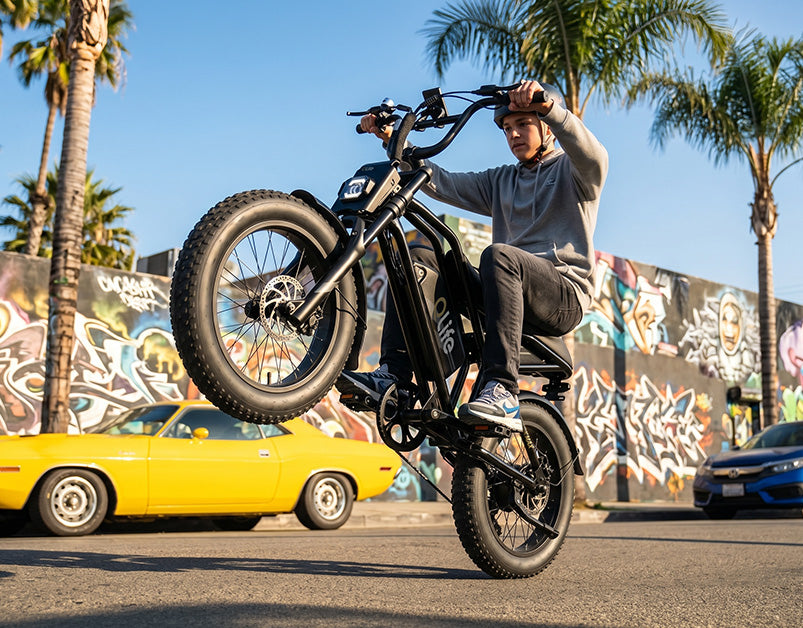
Qlife
Qlife is another broad catalog to compare when looking at commuter, folding, fat-tire, full-suspension, and three-wheel e-bikes.
Which Type Fits Your Everyday Life?
| Your main priority | A useful place to start | Check before buying |
|---|---|---|
| Stability and carrying groceries | Adult electric trike, including Mooncool options | Overall width, turning technique, storage footprint, basket limits |
| Daily commuting | Step-through or commuter e-bike | Rider fit, route distance, hills, lights, fenders, service access |
| Small home, RV, or car transport | Folding e-bike | Folded dimensions, total weight, lifting ability, hinge care |
| Gravel, sand, or uneven paths | Wide-tire or all-terrain e-bike | Legal riding locations, tire resistance, weight, realistic terrain limits |
A more honest way to think about “low carbon”
Buying an e-bike does not automatically make every trip sustainable. The strongest benefit comes when the bike is comfortable and practical enough to replace trips that would otherwise be made by car. Product lifespan, maintenance, electricity source, and responsible battery handling all matter. Use is more important than the label.
Choose the Ride You Will Actually Use
None of these choices needs to become a lifestyle label. A wooden object earns its place through years of ordinary service, while a bicycle becomes valuable through repeated rides: a grocery run, a morning commute, a visit to a friend, or an hour outside simply because the weather is good. What matters is whether each one makes daily life work a little better.
Compare fit and function before headline specifications. Check local e-bike classifications, paths, helmet requirements, warranty terms, replacement parts, and service options. When possible, test ride the same style of bike or trike before ordering. The right choice is the one that fits your body, your home, and the trips you genuinely want to make.
Affiliate disclosure: This article contains affiliate links. If you purchase through one of these links, we may earn a commission at no additional cost to you. Product availability, specifications, pricing, and local riding rules can change; confirm current details with the seller before purchasing.